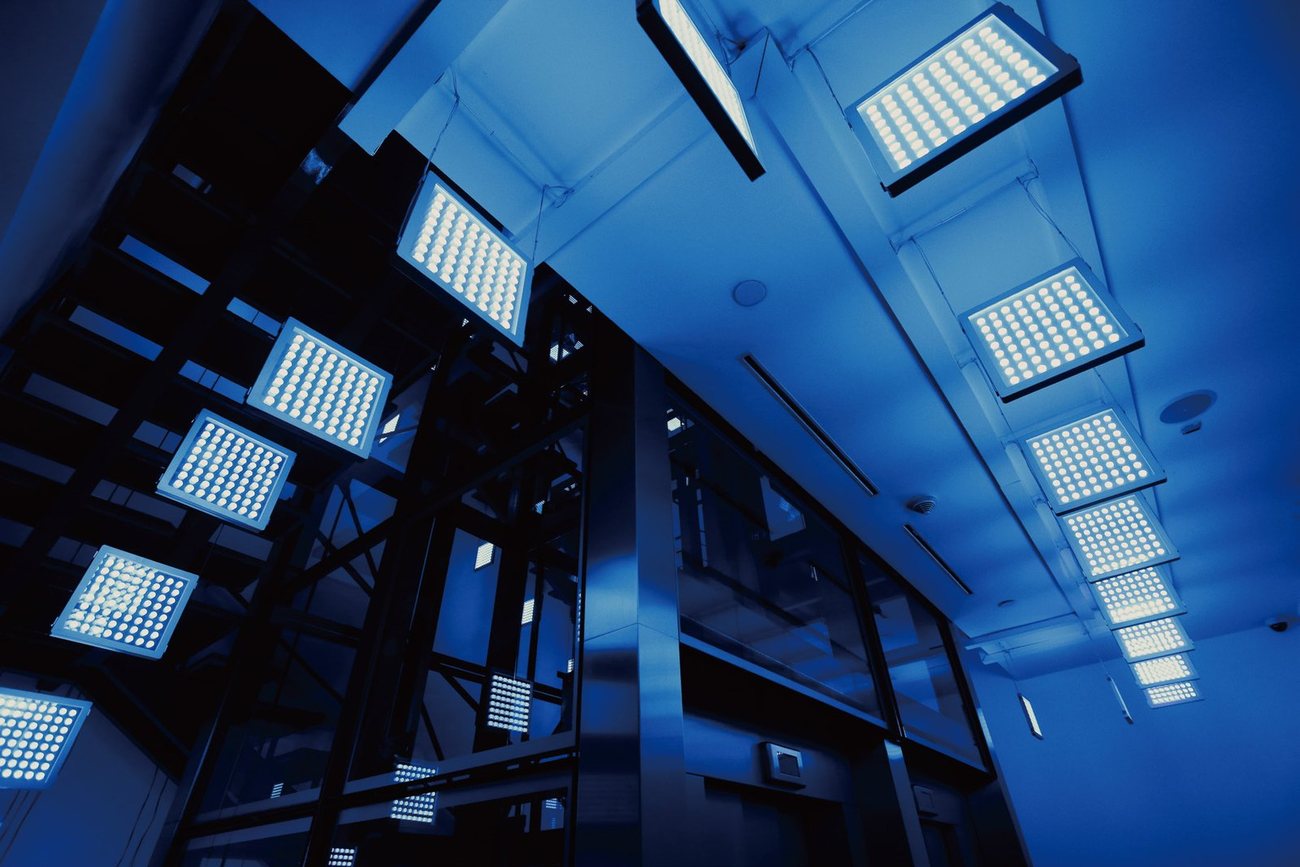
Case 01
AI computing center
130 kW IT load, 2 PFLOPS, two-phase immersion. Design PUE 1.1 and 30% lower energy use, meeting Class-A standards.
Dielectric coolants, immersion cabinets and coolant distribution units for AI data centers — engineered by Runhe Materials, a silicone chemistry company since 2000.
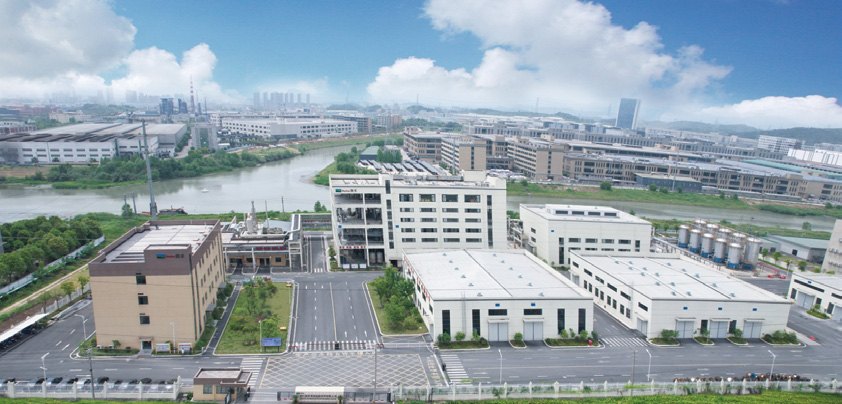
Runhe develops and manufactures its own coolant molecules — single-phase, two-phase and cold-plate fluids — on an 85-acre base in the Moganshan Economic Development Zone. That chemistry now ships inside complete liquid cooling systems.
Compute density keeps climbing. Policy keeps tightening. Liquid cooling is the engineering answer to both.
State Council: new large cloud data centers must beat 1.5.
MIIT green data center guidance for large and super-large facilities.
Three-Year Action Plan for new data centers.
Year-on-year growth of the Chinese liquid-cooled data center market
Molecule, flow field, control algorithm and cabinet — designed by the same team, so they work as one system.
Runhe designs its own molecular structures. Our immersion coolant reaches a kinematic viscosity at −30 °C of roughly one quarter that of competing fluids, which keeps pumps small and cold starts safe. Every fluid is compatibility-tested against seals, PCBs, cables, connectors and GPUs before release.
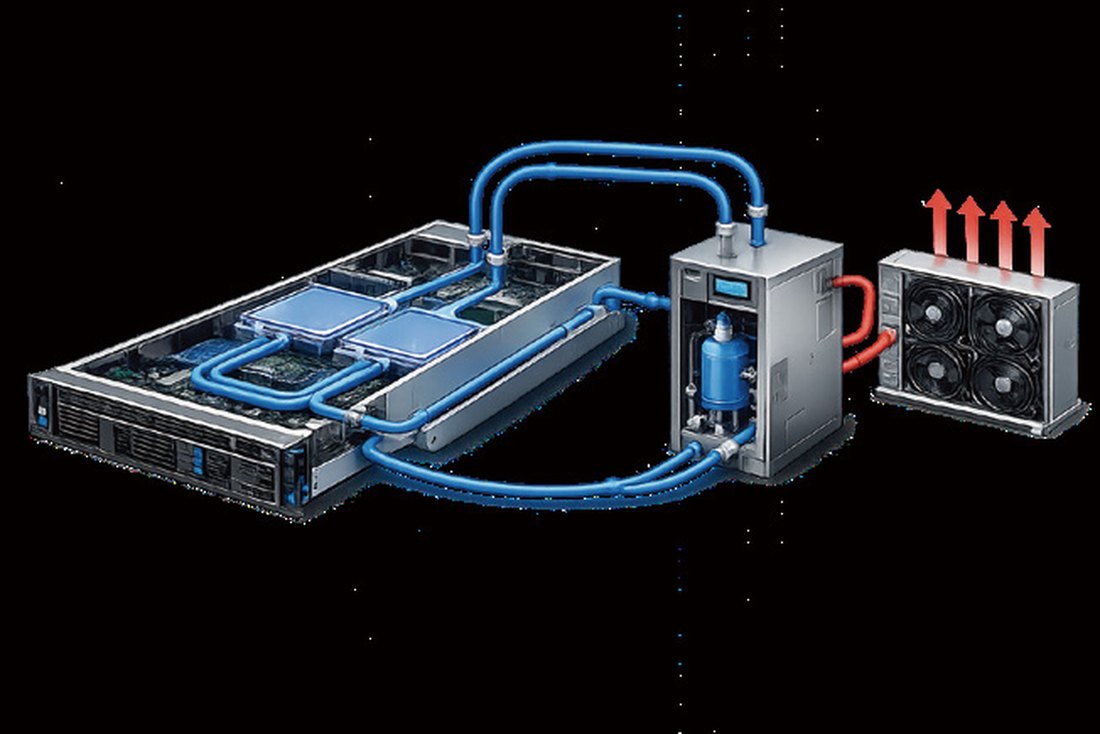
A dedicated CFD team simulates the whole machine, then shapes inlet and outlet geometry around the result. The outcome is even flow across every server node and a uniform temperature field inside the tank — balanced heat rejection instead of local hot spots.
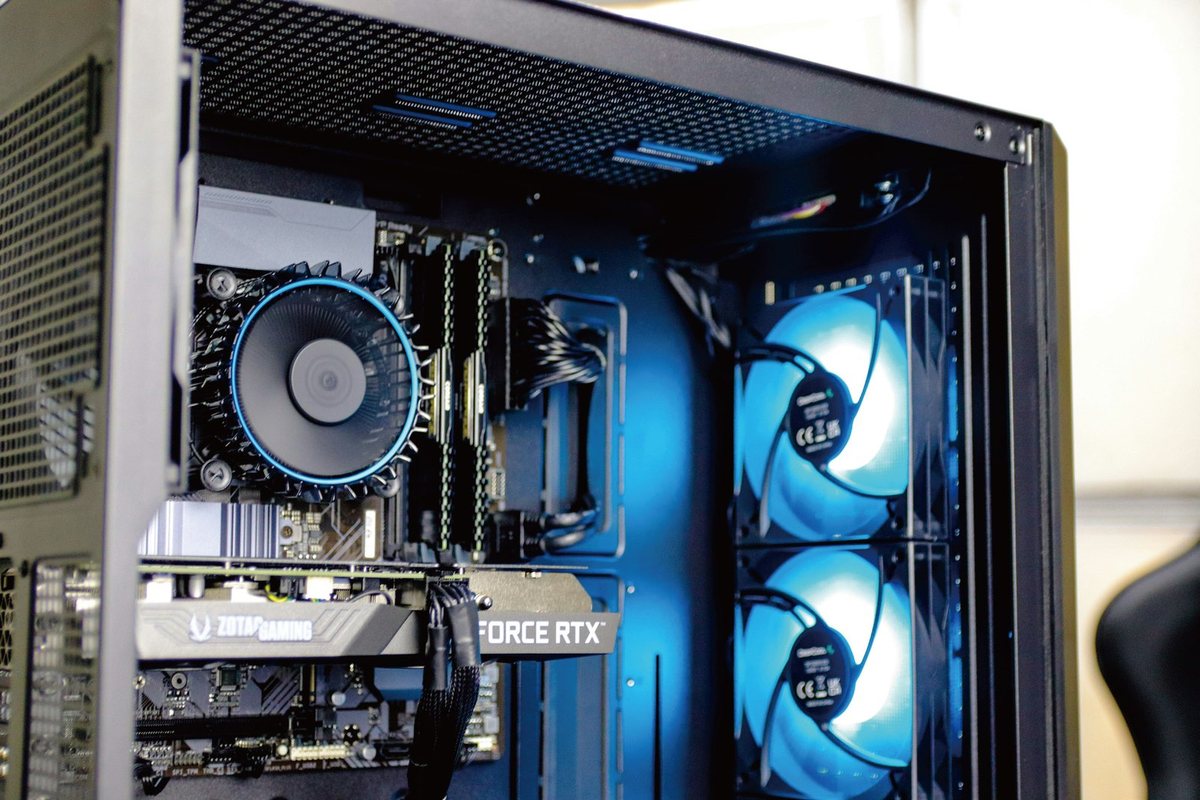
Multi-dimensional sensing collects equipment power, coolant temperature, ambient temperature and humidity, and flow rate. A thermal model with an adaptive control algorithm then damps the temperature oscillation caused by coolant inertia, and three control modes eliminate local hot spots in real time.
An 85-acre production base in the Moganshan Economic Development Zone covers silicone oils, coolants and system assembly. Custom motors for immersion use high-speed NdFeB magnets, tuned across physical property parameters from 1 to 10 to raise liquid delivery efficiency.
Two-phase boiling and single-phase circulation, from an 8U office-grade cabinet to a 20-slot tank.
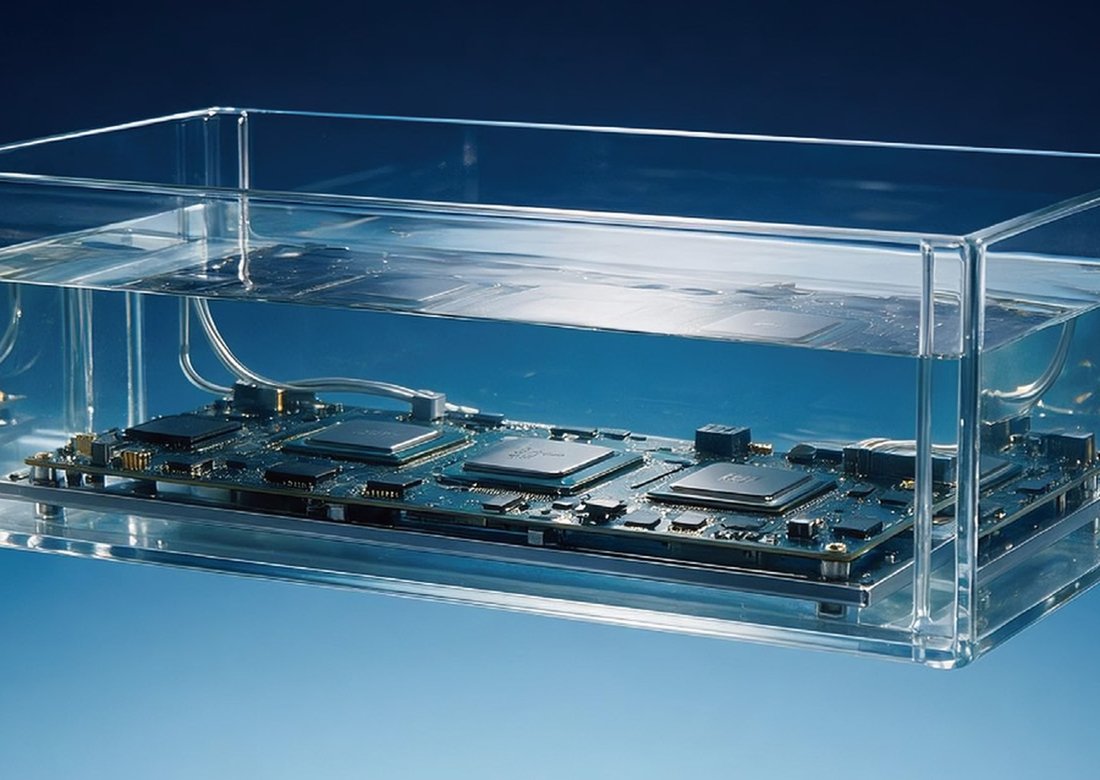
16 kW in-rack air-to-liquid, 150 kW in-rack liquid-to-liquid, 500 kW in-row. Dual pumps, variable frequency, IP55.
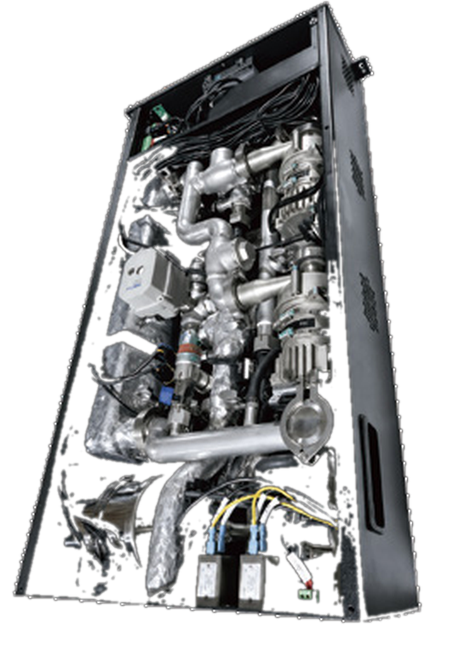
Phase-change boiling in an 8U all-in-one cabinet. PUE 1.02–1.05 without facility piping.
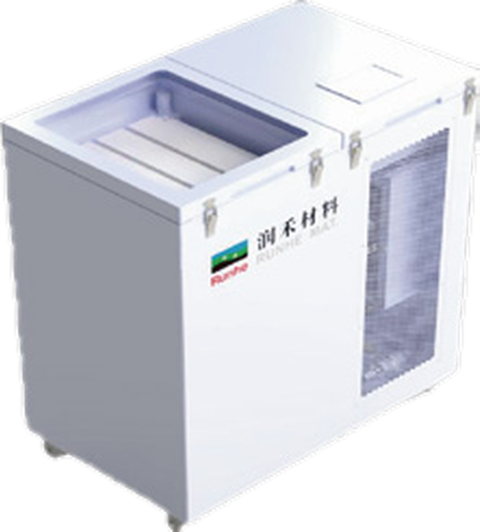
Immersion inside, coil and air outside. Deploys in an ordinary office at 52 dB(A).
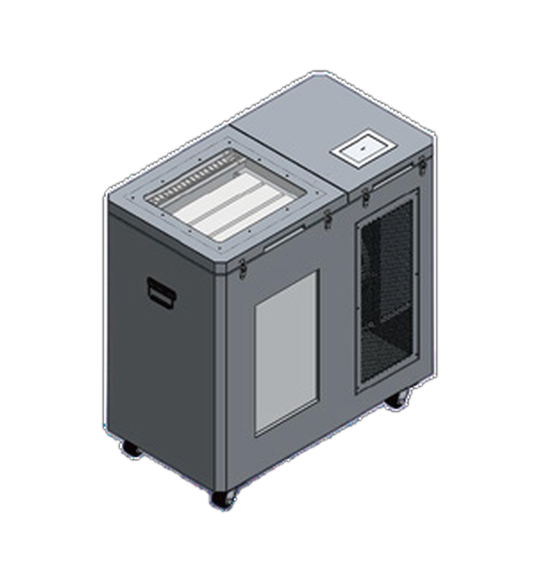
Air-to-liquid for single-rack GPUs and small workstations. Dual pumps, 19-inch mounting.
6U liquid-to-liquid with a high-efficiency plate exchanger. 220 LPM secondary flow.
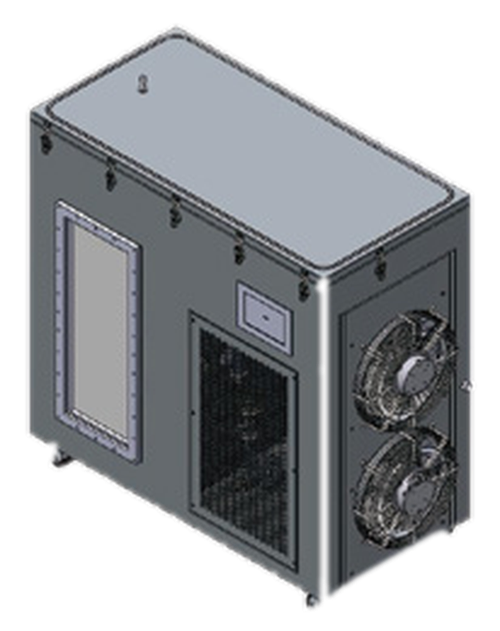
A floor-standing plant for AI halls. Modular cabinet, DN65 primary, parallel expansion.

Nine grades across single-phase, two-phase and cold-plate duty — made by the company that makes the system.
From a 130 kW AI hall to edge nodes standing in an office corridor.
130 kW IT load, 2 PFLOPS, two-phase immersion. Design PUE 1.1 and 30% lower energy use, meeting Class-A standards.
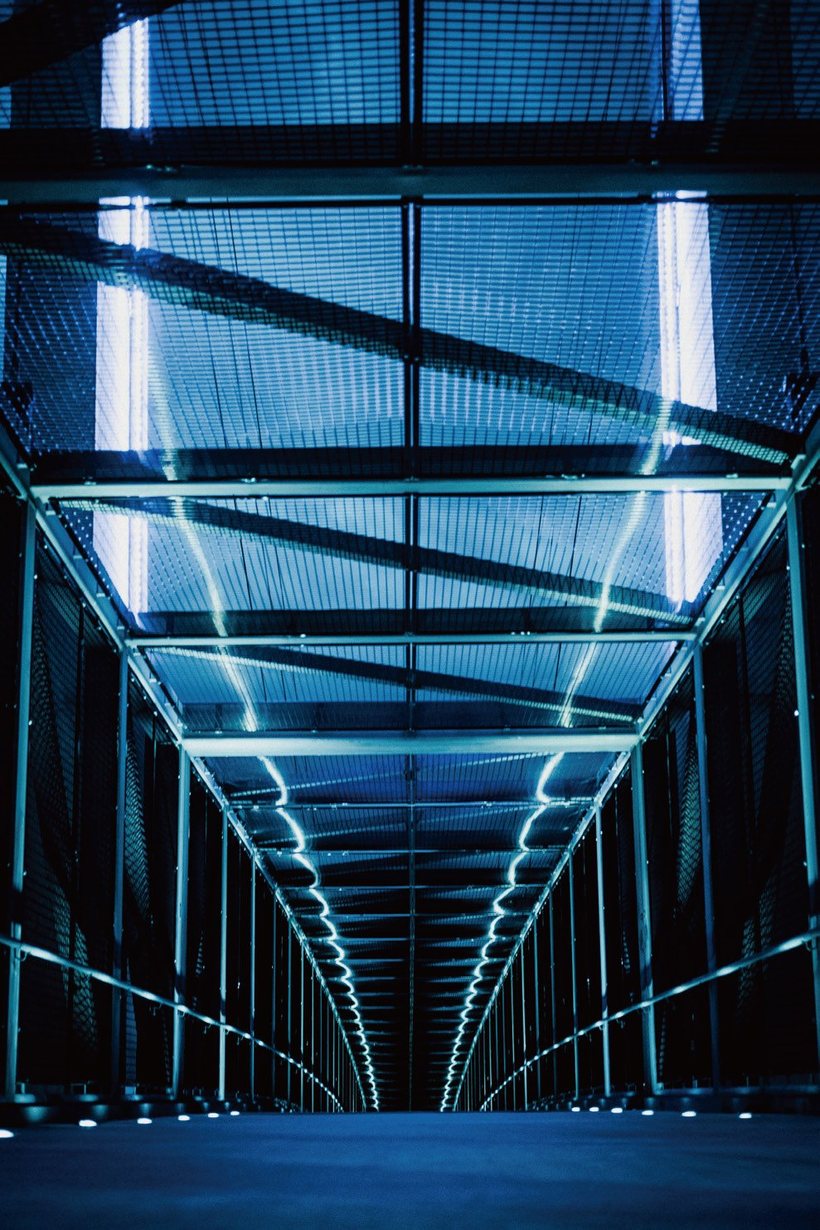
Air-to-liquid all-in-one units and mini CDUs installed across sites with no machine-room build-out. 52 dB(A) at the cabinet.
Cold plate loops added to legacy racks with minimal server changes, cutting PUE without replacing the estate.
Send rack power, fluid temperatures and floor constraints. Our engineers will come back with a platform recommendation and a coolant grade.
Hong Kong office · Mongkok, Kowloon